Every day, thousands of visitors board the bright orange Staten Island Ferry at Whitehall Terminal, snap photos of the Statue of Liberties’ torch against the harbor, and walk straight onto the return boat at St. George without ever setting foot on Staten Island. Those who stay aboard and hop the S40 bus for ten minutes along theKill Van Kull waterfront discover one of New York City’s greatest architectural treasures.
Set across eighty-three lush acres of parkland, Snug Harbor Cultural Center & Botanical Garden began in 1833 as Sailors’ Snug Harbor—America’s first haven for retired merchant seamen. Its row of monumental Greek Revival temple buildings along Richmond Terrace is rivaled only by the surprises hidden deeper on the grounds.
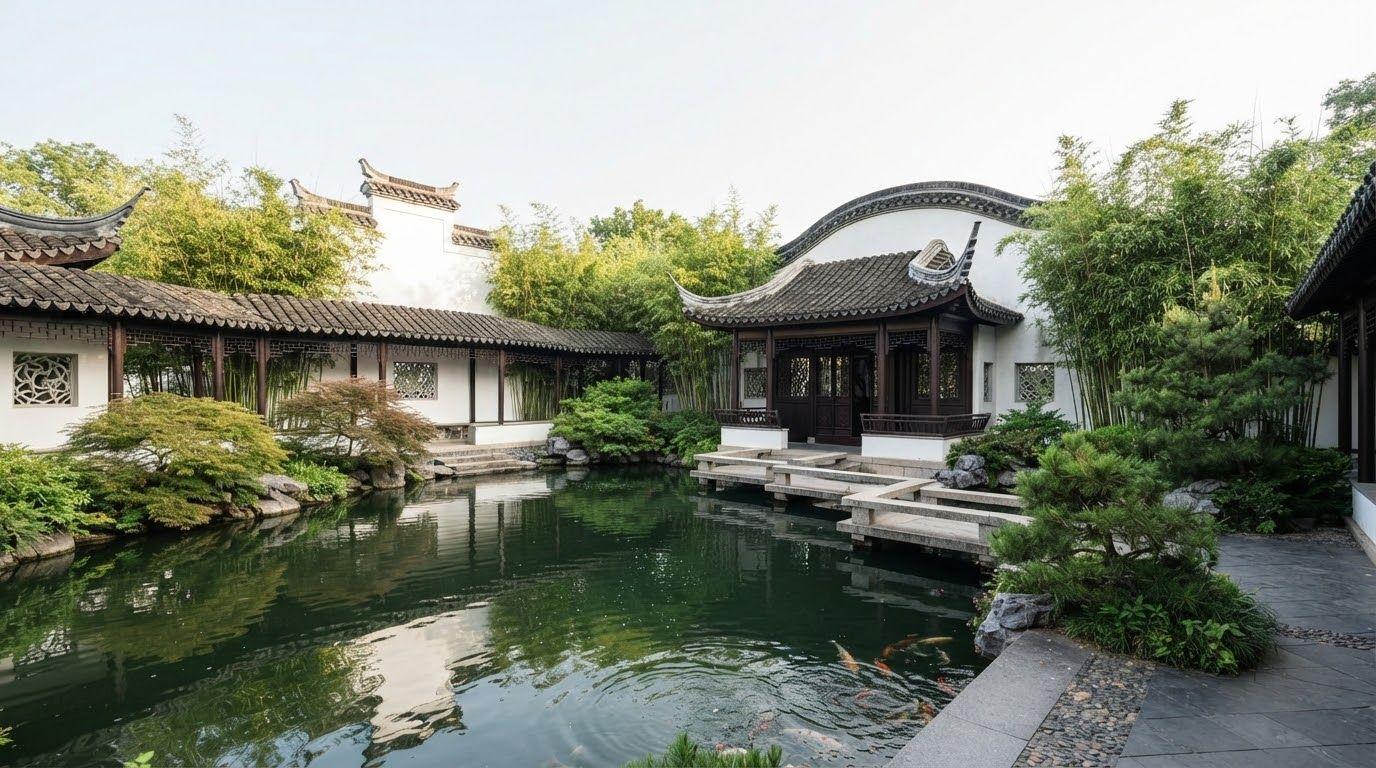
Tucked behind a whitewashed wall with sweeping charcoal-gray upturned eaves sits the New York Chinese Scholar’s Garden. Opened in 1999 and modeled directly on the classical Ming Dynasty gardens of Suzhou (covering the period from 1368 to 1644), it is one of only two authentic outdoor scholar gardens in the United States.
Every single architectural component—from the ceramic roof tiles and carved nanmu hardwood columns to the latticework windows and stone bridges—was fabricated in Suzhou, shipped across the Pacific, and spent a year being assembled on Staten Island by forty Chinese master artisans. In keeping with centuries-old mortise-and-tenon joinery tradition, the pavilions were locked together without using a single nail or drop of glue.
Classical Chinese garden design seeks to recreate an entire miniature cosmos of mountains, rivers, and mist within a walled enclosure. As you cross the zigzagging stone bridge over emerald koi ponds, dramatic limestone scholar rocks harvested from Lake Taihu rise like weathered mountain peaks, while framed circular "moon gates" intentionally conceal and reveal views as you walk.
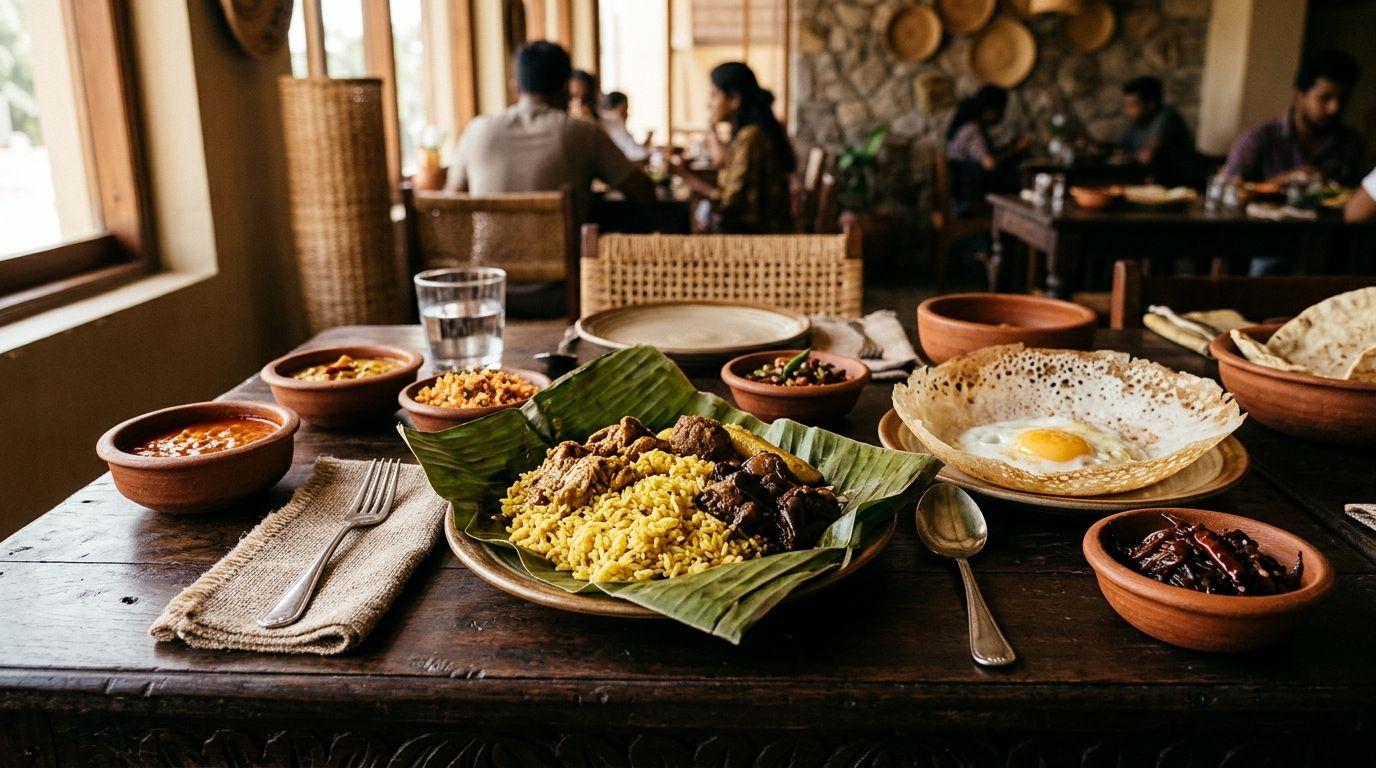
Take your time wandering through the bamboo forest paths, the waterfall grotto at the rear of the garden, and the calligraphy pavilion. Afterward, walk the surrounding Tuscan Garden, hedge maze, and Newhouse Center for Contemporary Art before heading back toward St. George for a fiery, authentic Sri Lankan feast of lamprais and kottu roti at Lakruwana on Bay Street.